Forwards Or Backwards
At this present moment, it seems that our world has two big narrative forces in a tug of war: one narrative about going forwards, and one about going backwards.
The “backwards” narrative wants to go back to “normal”. Back to the way things were before the pandemic, before protests, before our expectations for the year were disrupted. The backwards narrative says, “I liked things the way they were before. Can’t we just go back to that?”
The “forwards” narrative looks ahead at what can be changed and improved. Embedded in this narrative is a belief that we can make things better. That there is progress to be made. The forwards narrative says, “how do we write a new and better chapter for ourselves and each other?”
The forwards narrative is the work of the storyteller. And it always has been.
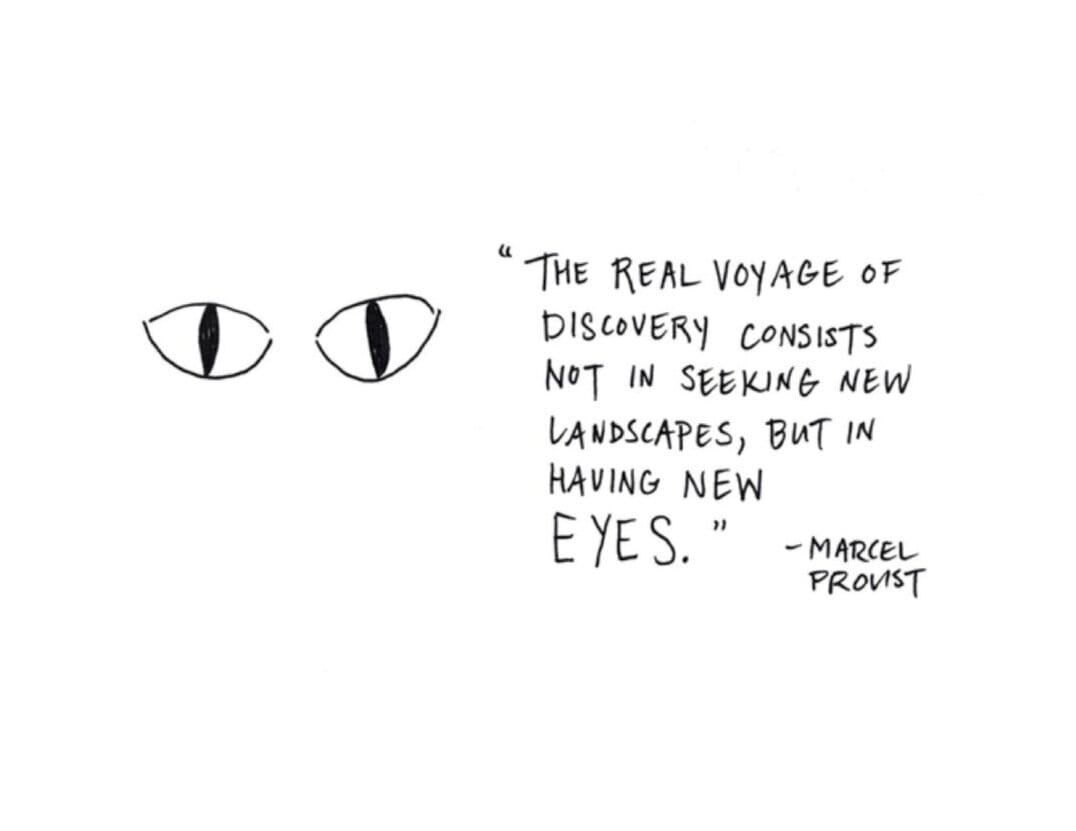
Storytelling isn’t just about adding stories to the world. It’s also about seeing the world with new eyes.
As storytellers, we choose to believe in possibility. Sometimes we don’t even fully see what that possibility is exactly. We might not have all the words to describe it yet. But we choose to believe it exists.
This, after all, is the essence of what it takes to write a book. No matter how detailed your outline, there is never an exact blueprint. Writing is chasing a vision, word by word.
As storytellers, we challenge ourselves to think differently, and invite others to do the same. We imagine — or even insist on — new ways of being.
Storytellers inhabit every domain of life. Sure, we exist in arts and culture, but we are also activists, educators, athletes, innovators, parents, leaders, and most of all, people who have the creativity and audacity to reimagine, rewrite, and ask, “what if?”
Let’s continue to embrace our role as storytellers. Not just to write and tell stories and make stuff, but to actively write a new and better story for the future. To imagine and embrace and champion positive change. To help ourselves and others see with new eyes.
Telling new stories, and rewriting old ones, is hard work. But it’s worth it. Like I said, writing a book is messy. It requires multiple drafts, rounds of editing, reflection, collaboration, and (let’s be honest), often a good dose of existential angst.
But slowly, word by word, chapter by chapter, draft by draft, you arrive at something.
Something you can hold in your hands.
Something you couldn’t entirely envision before.
Something new.