Want to connect deeply with your audience? Help people feel “seen.”
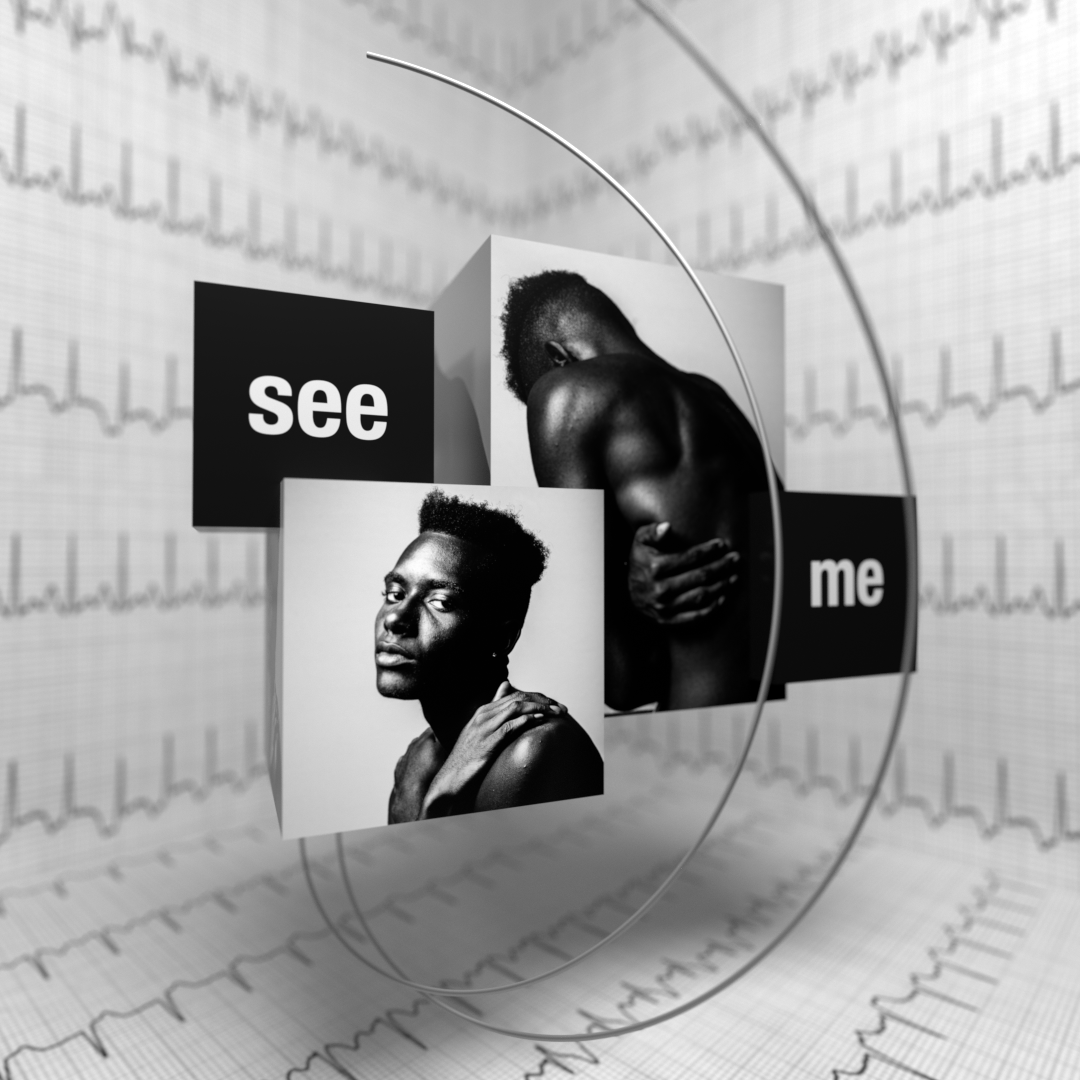
If you want to build stronger connections with your audience, the best way to do it is to help people feel seen in a way they haven’t before.
Think about it like this: Have you ever read a line in a book and thought, “Exactly! This is what I always felt but I never knew how to put it into words!”
It’s pretty magical, right?
As a storyteller (and that includes leaders and marketers in all forms) it’s our job to help people feel seen and understood. When we do that, we build connection, trust, loyalty, and we generate real, meaningful value for our reader. It’s that profound.
To illustrate my point, here’s a personal story about a time I finally felt truly seen.
Growing up with a heart condition, I never felt that there was space for me to be me and have a heart condition.
Going to clinic appointments, it seemed that everyone — nurses, technicians, doctors — talked to me, or about me, like I was ill. Fragile. Sick. But I wasn’t any of those things. I was a capable kid, just a bit different.
I wanted my “condition” to be kept secret because if people found out about it, they made assumptions about what I could or couldn’t do. Like the gym teacher who announced I could sit out during gym class, or the camp counsellor who forbade me from joining a bike riding excursion. (Never mind that I was perfectly able to run around and ride bikes like everyone else.)
Because my heart condition was congenital, meaning I was born with it, I knew from a young age that getting a pacemaker was something I would need to do “someday”.
That “someday” loomed over my head. To me, a pacemaker felt not only like a concession of illness — of something being wrong with me — it also felt like something that wasn’t meant for me.
A pacemaker, it seemed, was meant for old people. Sick people. People towards the end of their life. People who looked and moved and lived very differently from me, a young, active and energetic person. (Even now, at 40, I have to admit it still doesn’t feel like “me” sometimes.)
If a pacemaker has a brand, it probably represents old age and weakness. In reality, people get pacemakers at all stages of life. Yet it was very clear to me that a pacemaker was not a sign of capability or strength or power or independence and certainly not youth. And let’s be honest, it was definitely not cool.
No one ever said any of this to me, though. No one ever acknowledged that it might feel yucky to put a device in your body. To need that device. To have to incorporate it into your body, your life, your identity. Nor did they offer an alternative vision, a different story. Doctors expected me to just accept it.
When it came time for my pacemaker surgery, once again I was treated like a different kind of patient: someone who was older, and maybe used to having surgeries. I never felt truly seen, as all the medical professionals seemed to assume my experience, concerns, and health needs would be like any other elderly patient.
This experience continued throughout my further device replacement surgeries. (With one exception: an anesthesiologist MD who, in my device replacement in 2019, heard my story and acknowledged: “you’re not your typical cardiac patient.” That single moment of acknowledgement felt like an ocean of relief.)
That solitary exception aside, my experience within the medical system and as a person with a pacemaker was characterized by a feeling of aloneness. It was a feeling of not being seen... not by my doctors, and certainly not by the device company, which didn’t offer anything to help me understand the experience. In fact, it’s not just the individuals within the medical system that have never “seen” me, it’s the device company as well. Other than the fact that their device is intertwined with some of my essential organs, we have no relationship.
And then I met Michael Herzog. Because of his work in the medical device industry, and because we are both storytellers of different sorts, we got talking.
We decided to do a storytelling project that would explore the experience of having a medical device in your body, and all the complexities that come with that.
When Michael and I got talking, I started asking myself some questions that I hadn’t thought of much before... like:
- How is it that I have a device connected to my body in such an intimate and important way and yet have never felt a relationship to the device brand? I feel closer and more connected to Apple for example, and that’s just my phone, not my heart.
- Why have I never, until now, even been to the website of the device maker?
- And why, when I go to their website, do I see no information that speaks to me as a human, no real life resources or content that represent what I really care about, and certainly no pictures of people who look like me?
As I considered these questions, together with Michael, I came to think: maybe medical device brands have an opportunity to help their patients feel “seen”. Acknowledging diverse patient experience wouldn’t just be good for the patient, it would be good for the device companies too. A website or campaign or even a brochure that helps patients feel seen, recognized and understood could create a meaningful connection between brand and end user. It might even help foster more openness, less fear and less resistance to device implantation among patients.
Imagine... by offering more opportunities to help the patient / end user / human be seen, device companies could actually turn their users into brand champions — people who celebrate and share their experiences with devices. People who are proud of the device that is a part of their life... rather than resistant to it or even ashamed of it. People who help others acclimatize and make the most of the experience.
If you happen to work for a medical device company, perhaps this gives you some inspiration for your storytelling.
But no matter your industry, my point here is this: it behooves us as leaders, marketers, change-makers and storytellers of all kinds to help people feel seen.
To think about our audience, who they really are, and how they wish to be represented and acknowledged.
Back to the story: After chatting about all of this, I sent Michael a few additional notes, and he went away and worked his own storytelling magic.
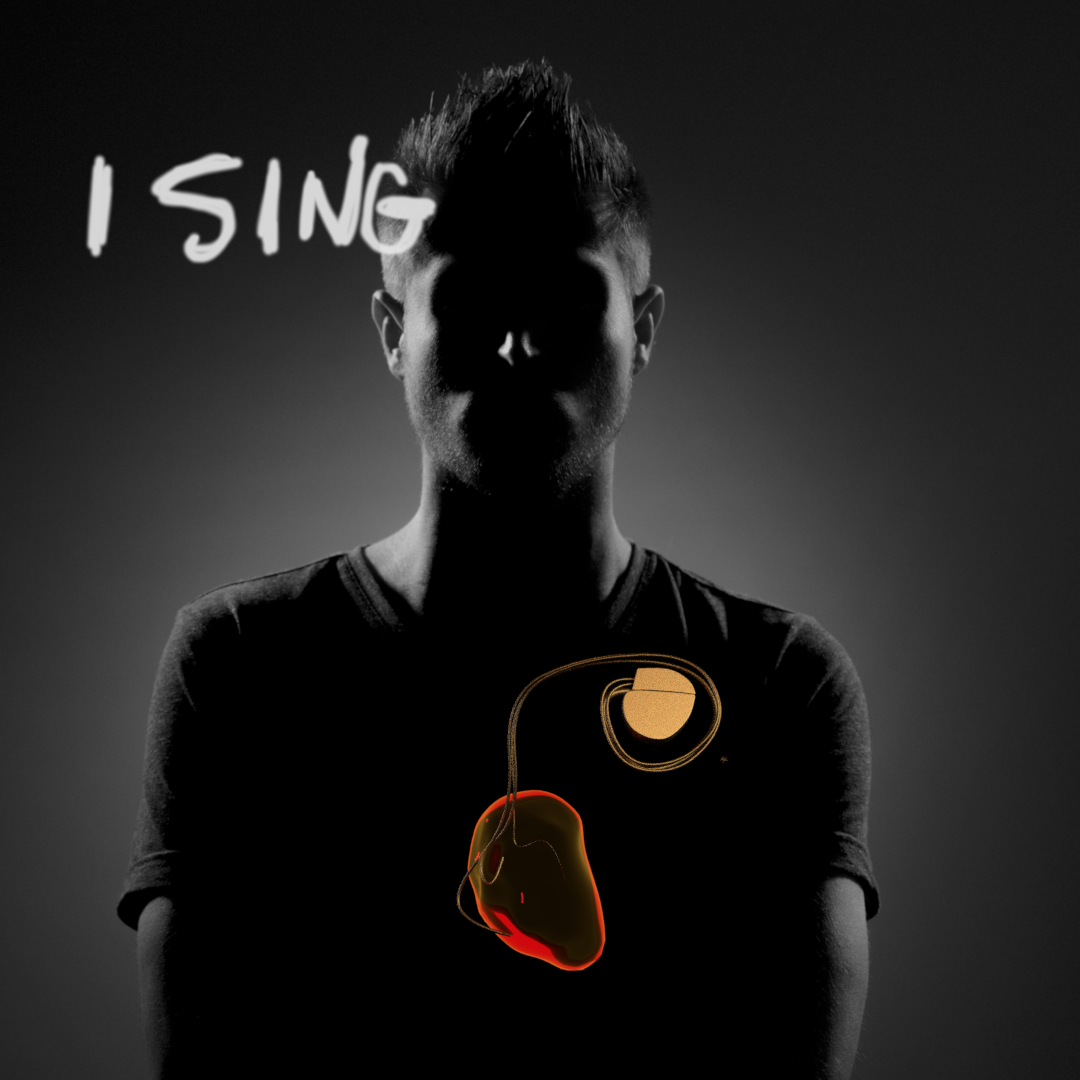
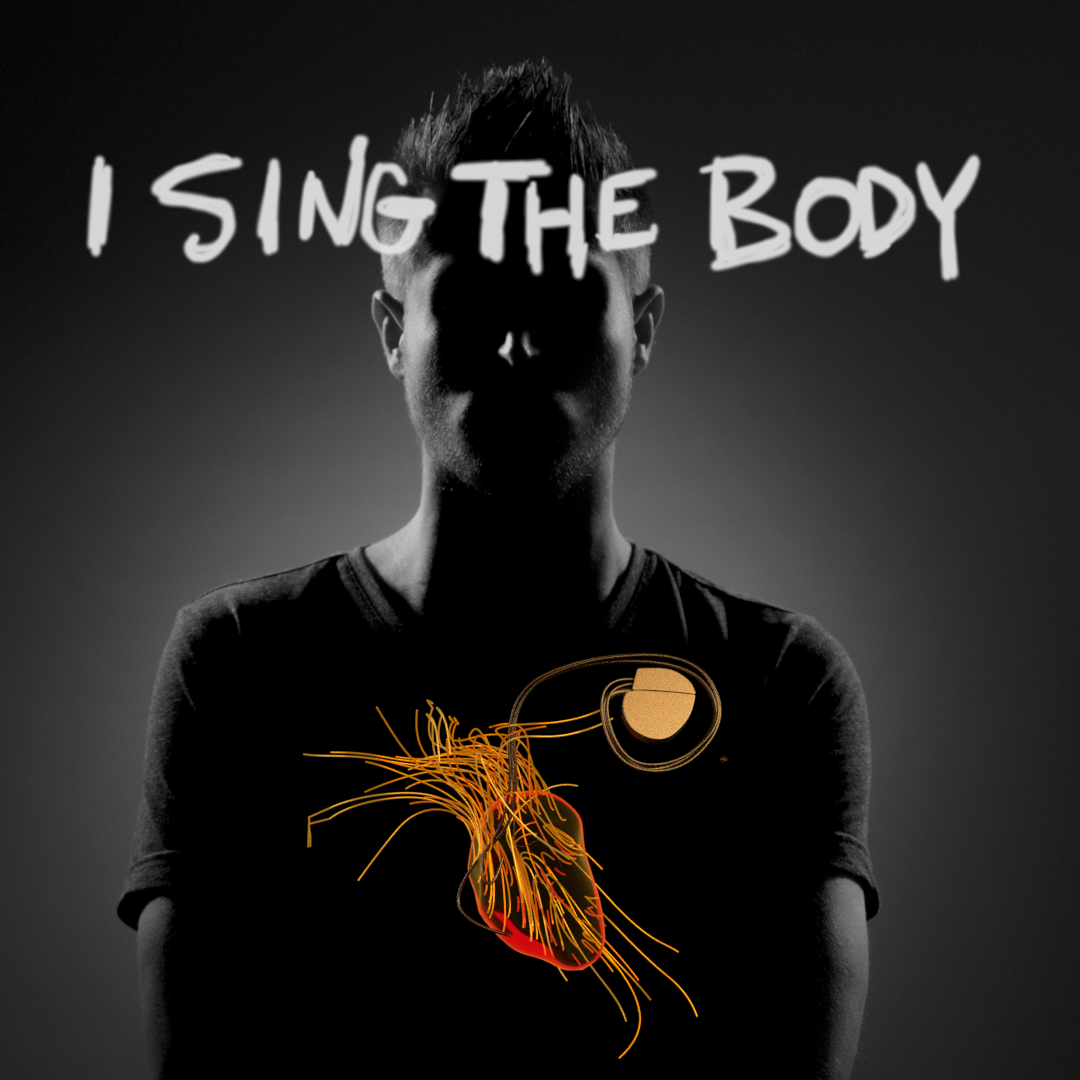
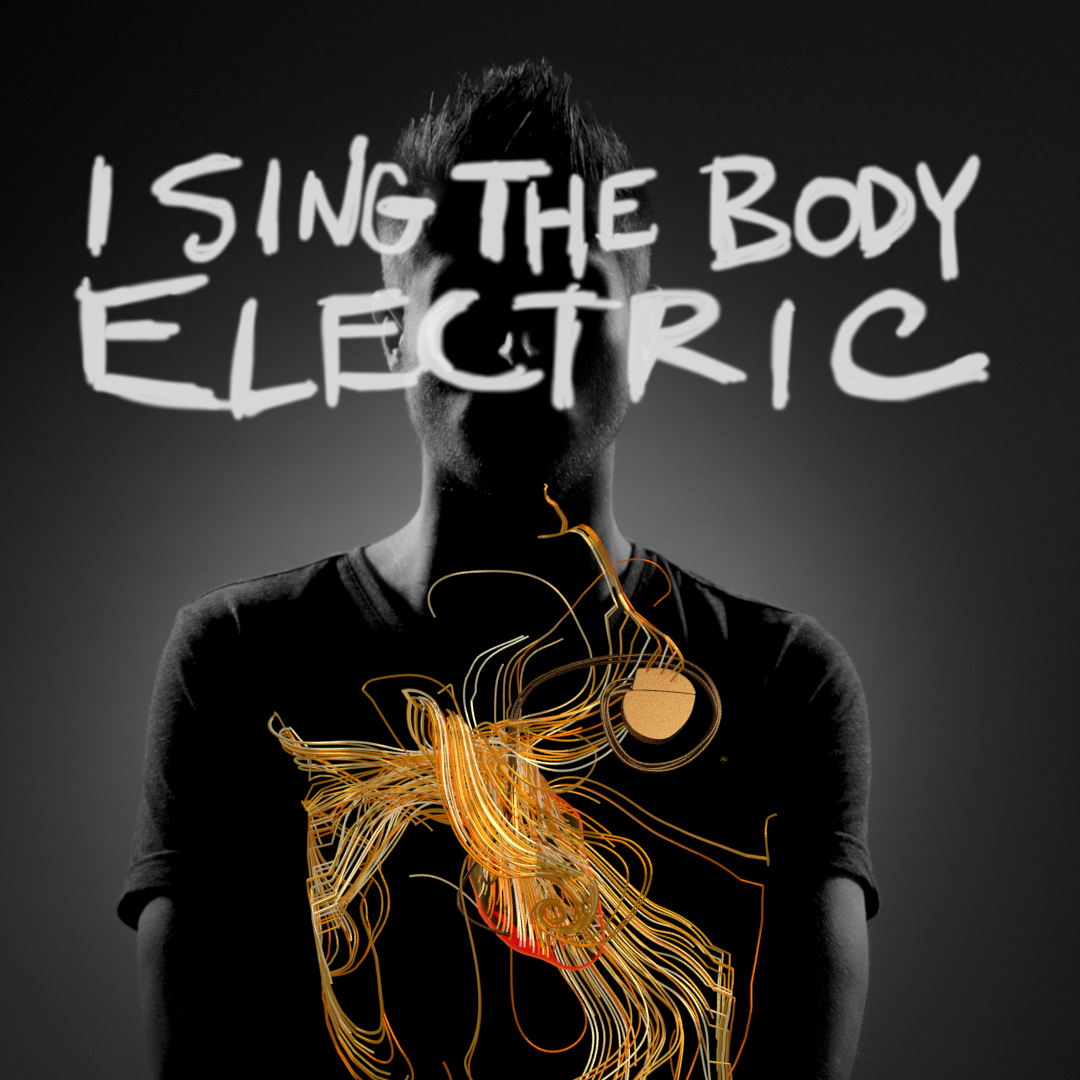
When Michael showed me the images he created, I sat on our video call not sure what to say. I tried not to cry — after all, we’d only just recently met.
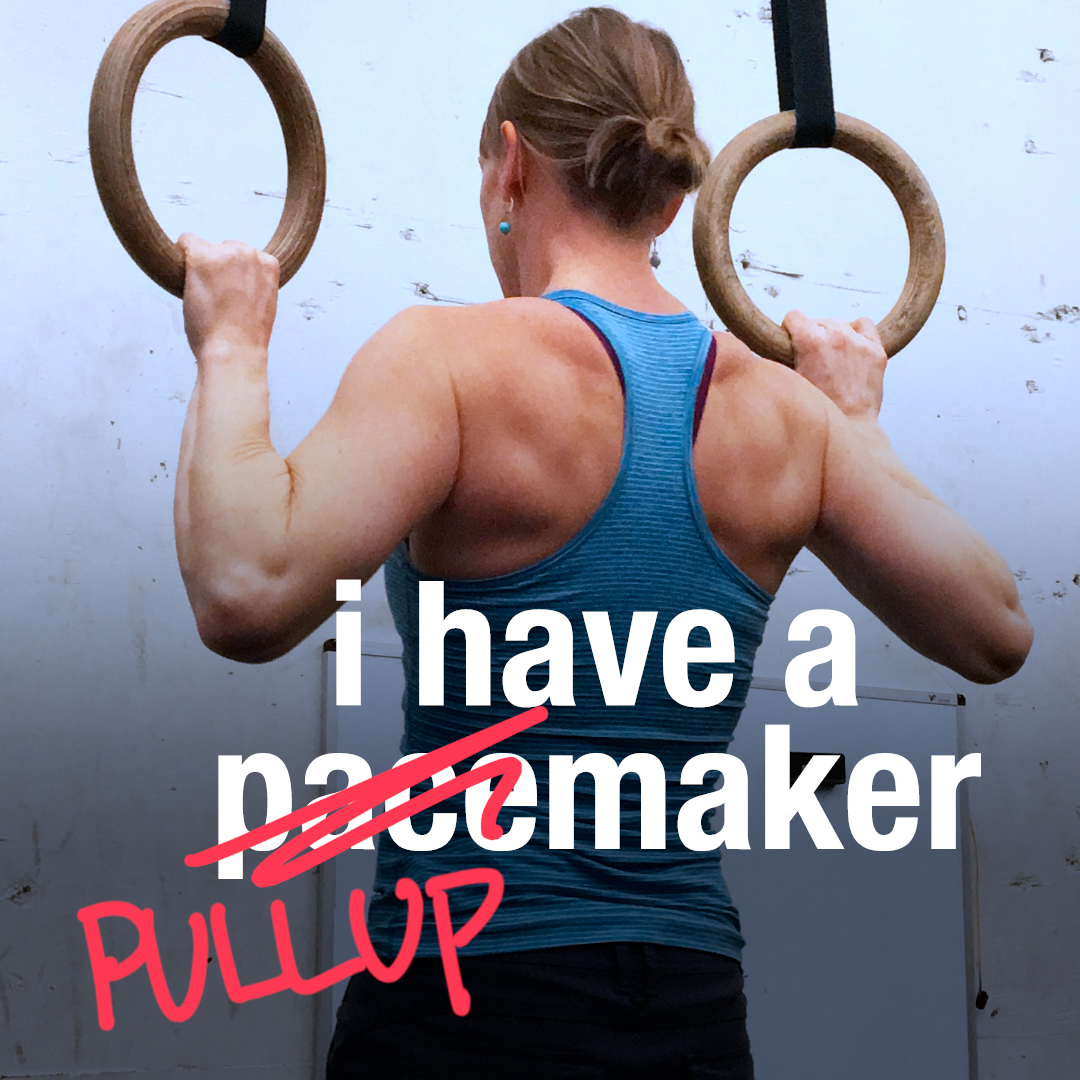
If I’d seen these images as a young person, they may have changed how I understood what it meant to have a pacemaker, and how I saw myself. I might have seen more potential, more joy, more strength, more poetry in my situation. Less fear, more possibility.
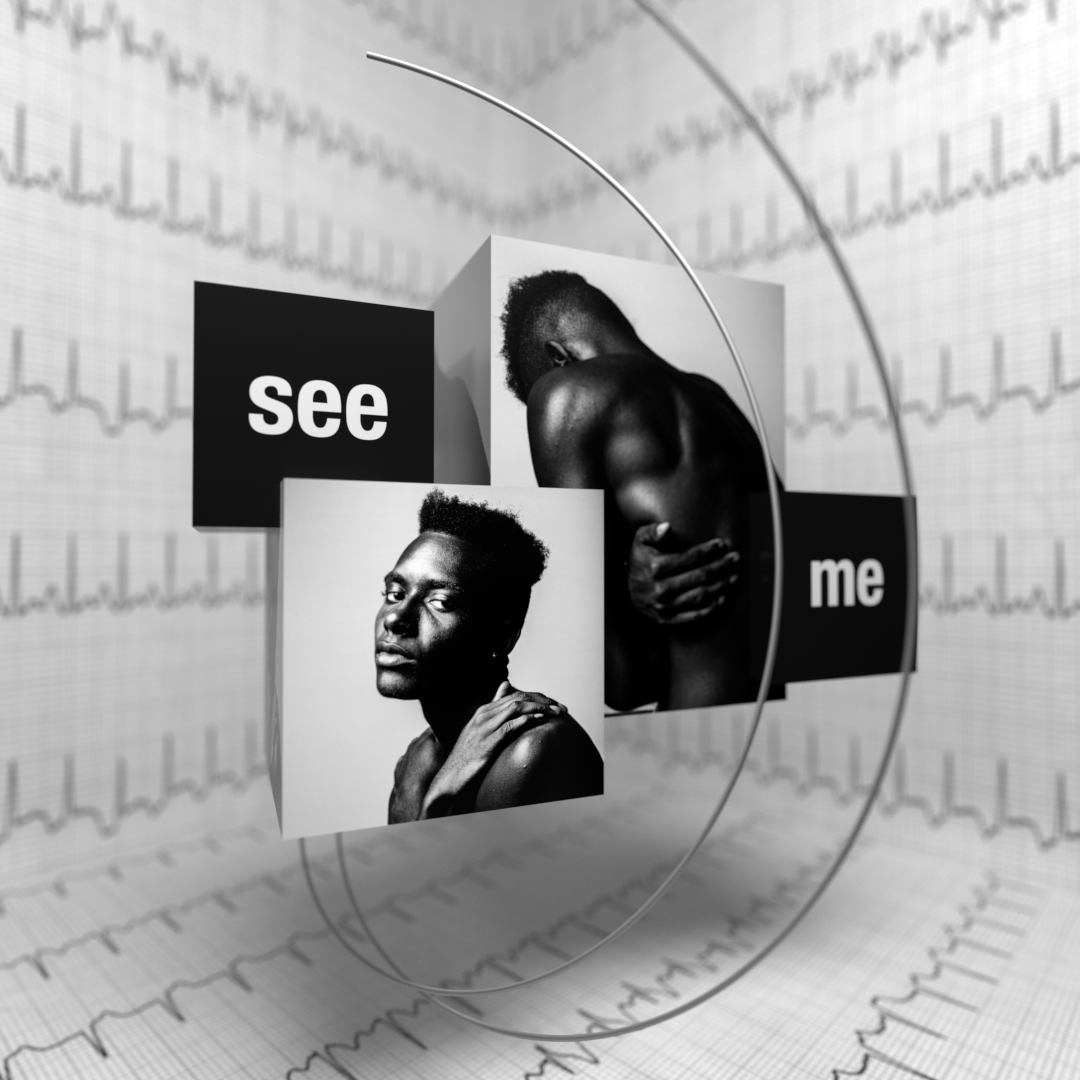
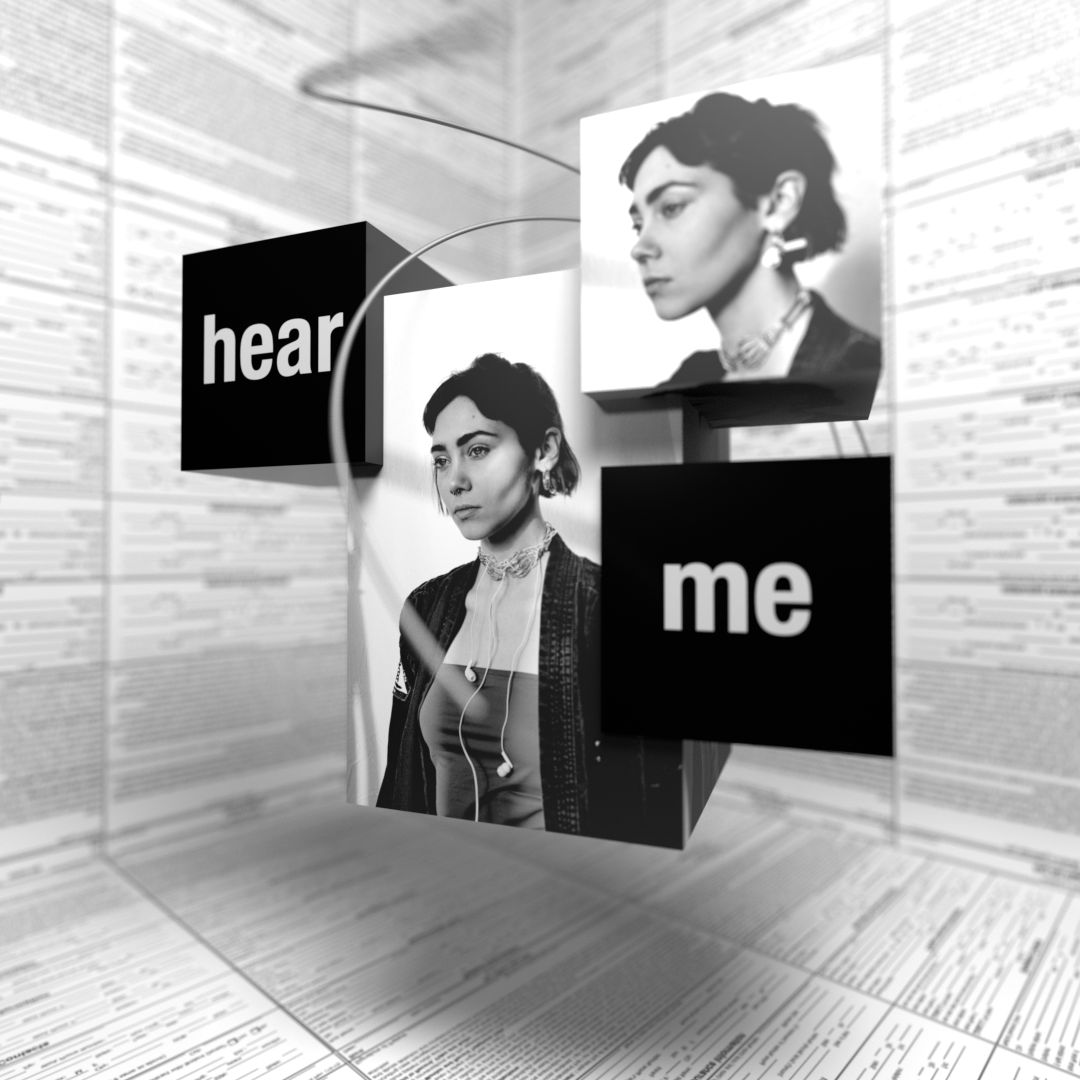
Michael’s images gave me something I’d never fully had before, as a young person with a heart condition and then with a pacemaker: The feeling of being seen.
Take a look.
Triptych #1
Triptych #2
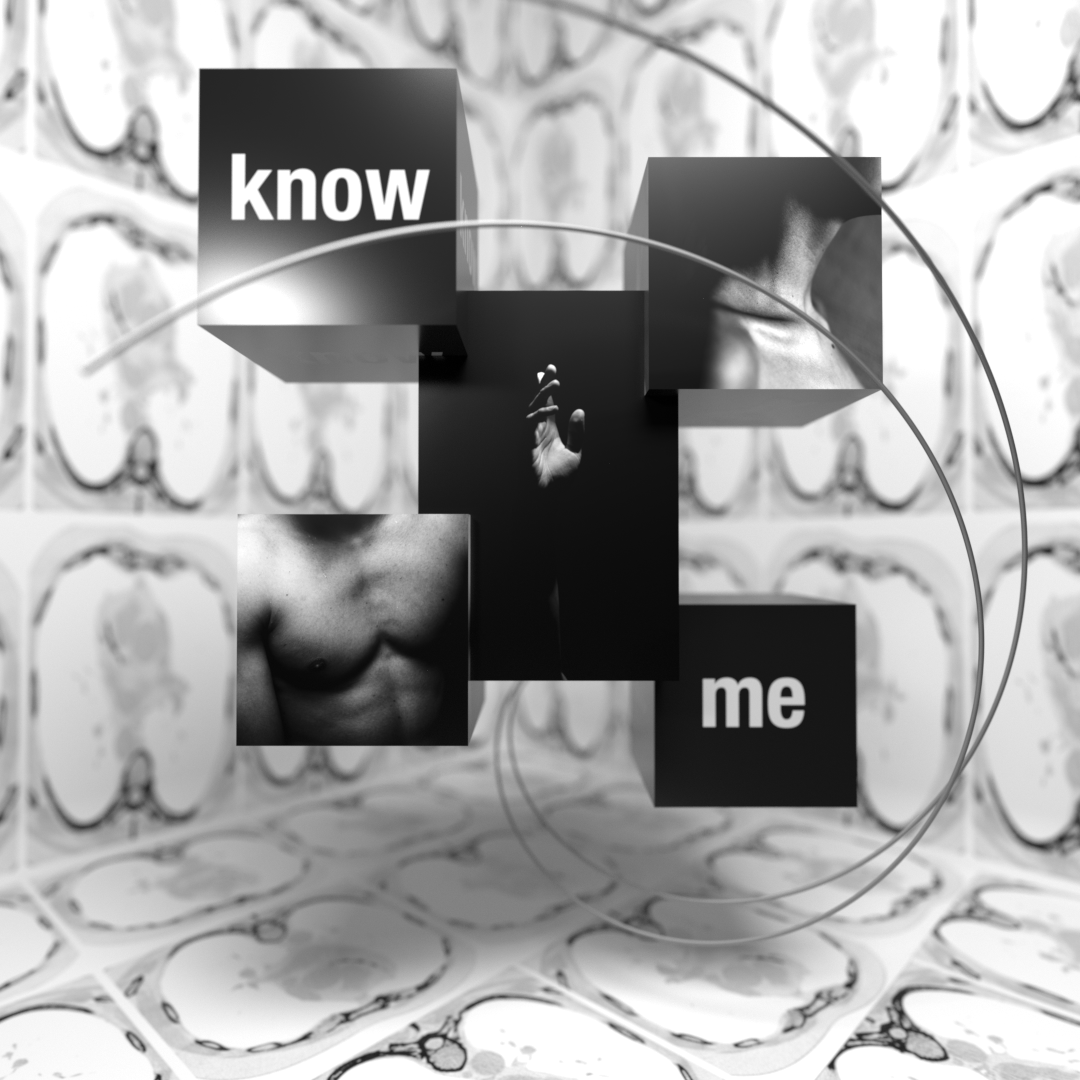
Triptych #3
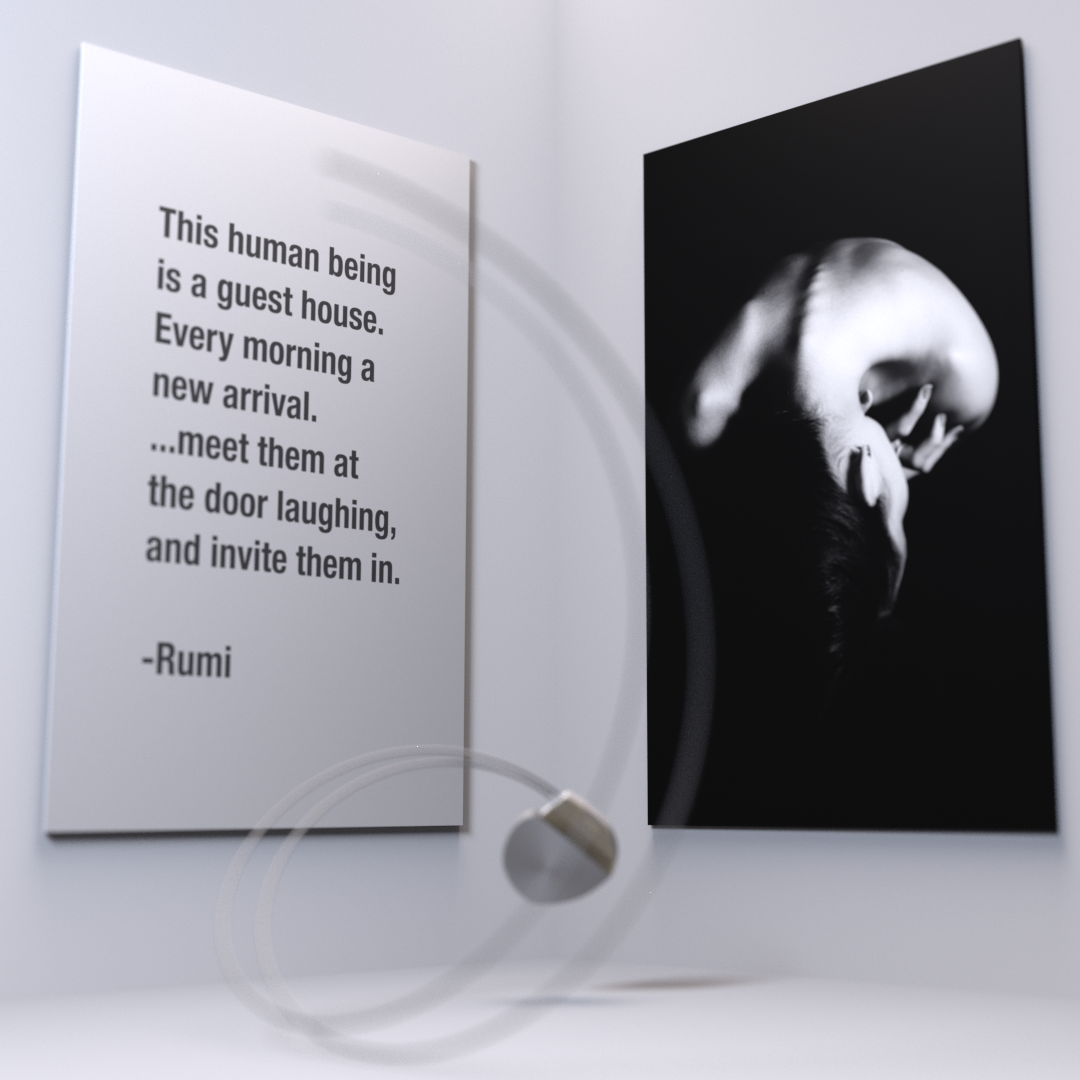
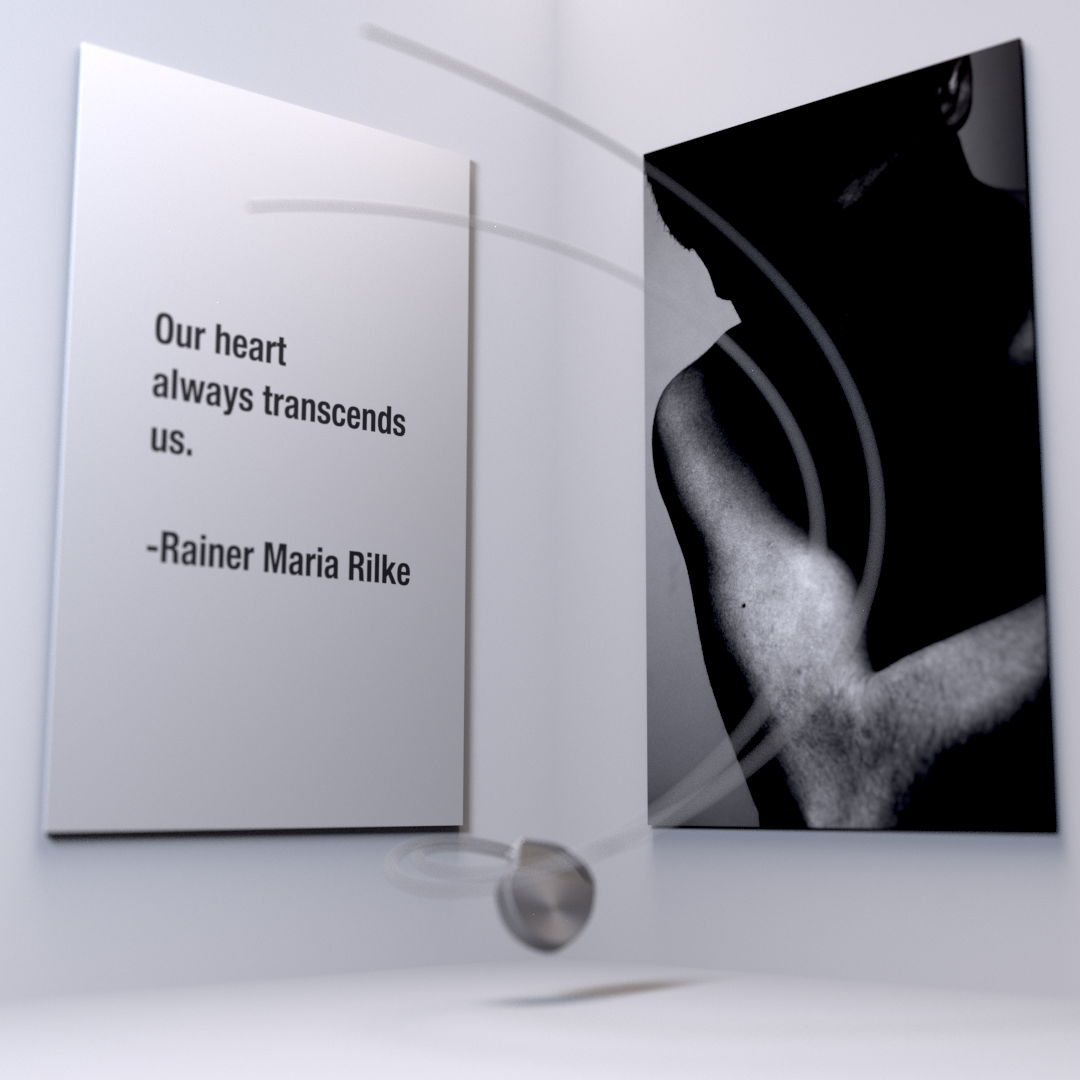
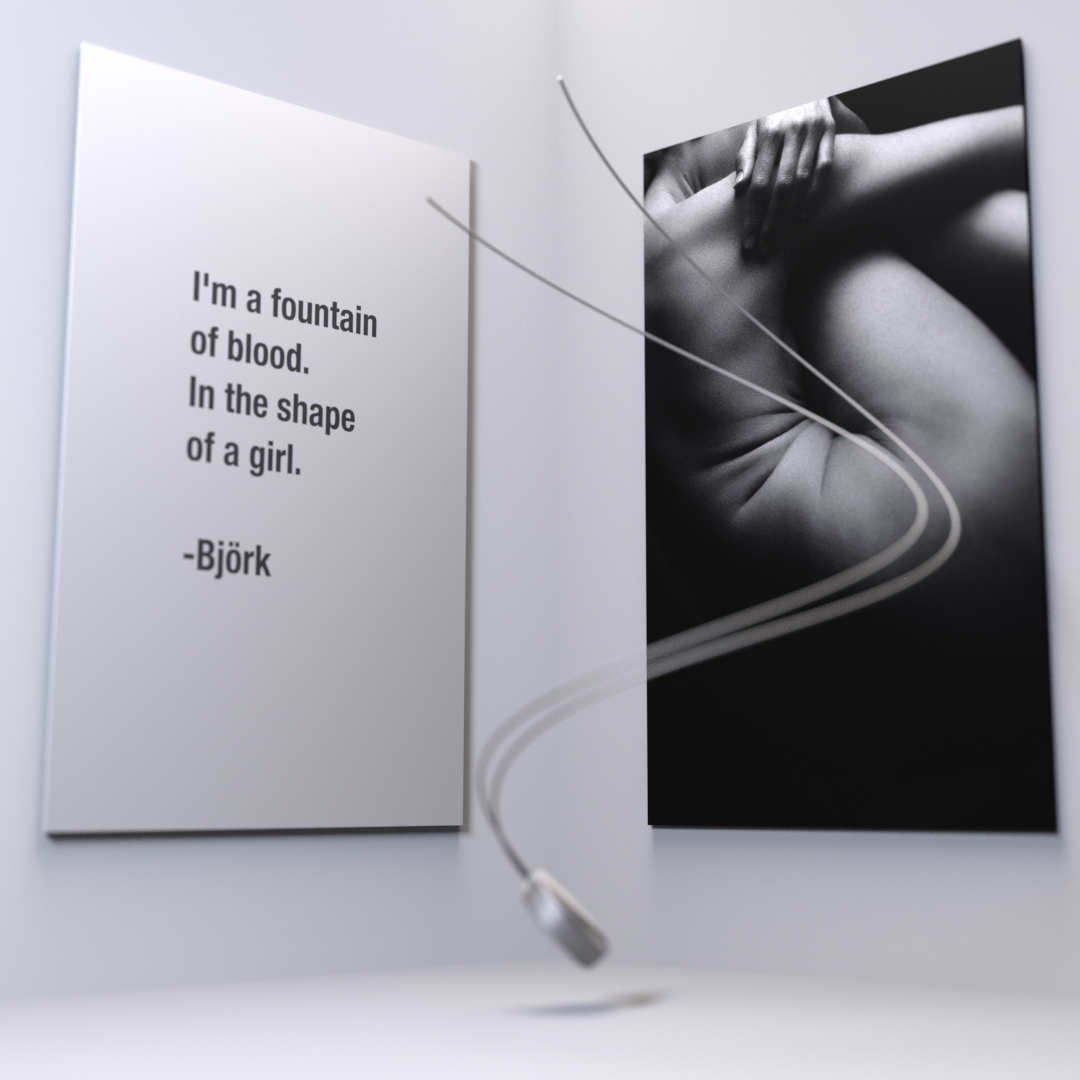
Triptych #4
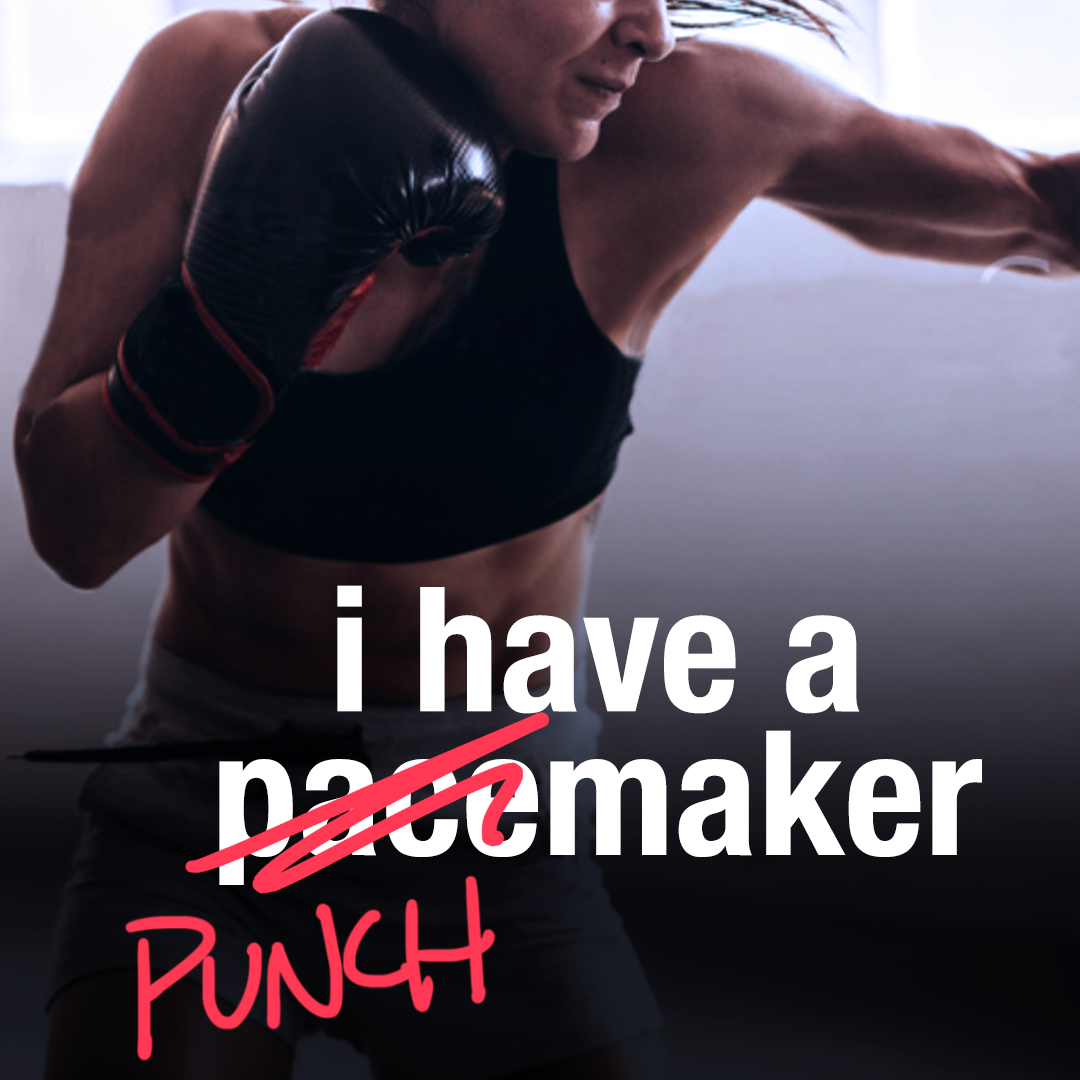
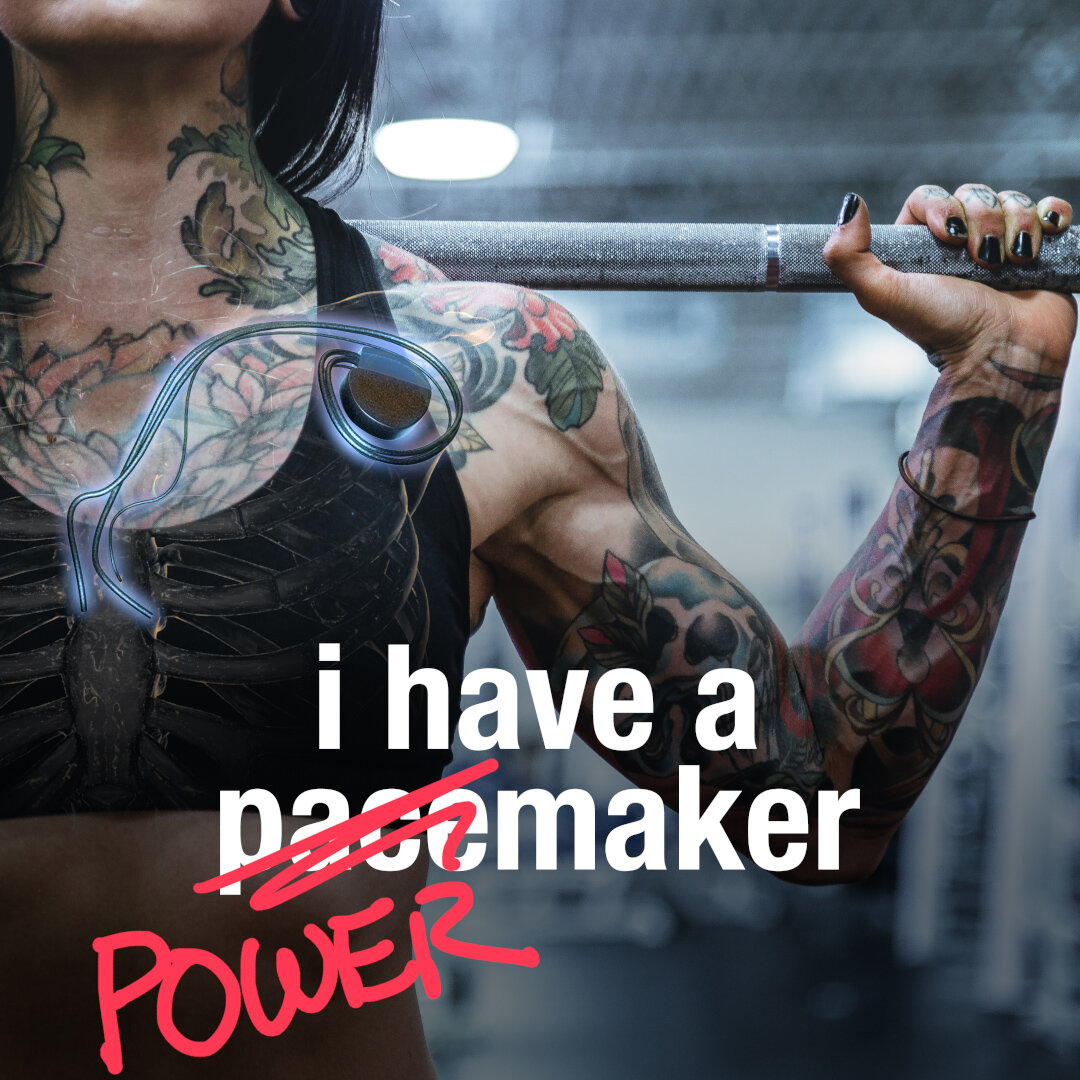
I hope this story helps you think about the possibilities for your own business and brand.
How are you helping your audience, community, customers and clients feel seen?
By leaning into this, what kind of magic could YOU create?
*All images produced by Michael Herzog: www.herzogdesign.co